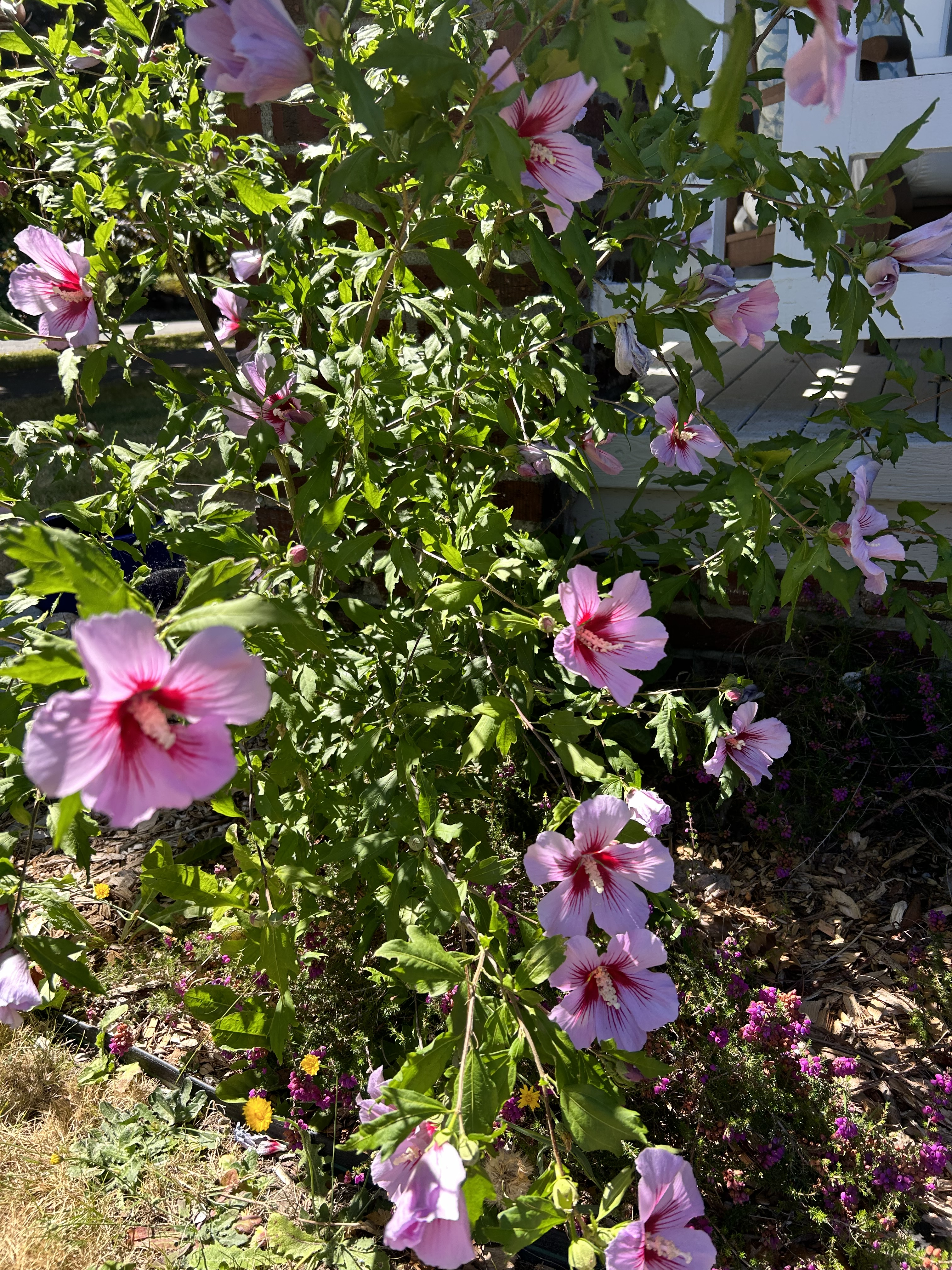
When I arrived home from my final summer conference my mungunghwa bush (the Korean national flower) was absolutely bursting with blooms.
What a perfect symbol for my thoughts and feelings about being in community with adoptees.

Conferences can be overwhelming. And as an introvert, conferences can feel like a performance. On top of that, adoption-centric conferences double that feeling of exposure.
When you’re raised in racial isolation, being in a group of others of your ethnic group, let alone adoptees, is new and uncomfortable. I was used to being the only one in most spaces I was in. I was 30 before I really began to be in spaces with other Asians and Korean adoptees. And, when you are new to any group it can feel like walking into a high-school cafeteria at a new school – totally terrifying, worried you’ll be rejected, leaving completely alone.
In addition to the social anxiety, adoption-related conferences can also be triggering for a number of reasons. Sometimes it is because presentations or conversations prompt you to think about things very differently from your perspective, maybe even the opposite perspective. Sometimes it is because you relate too much to the topic and it stirs up emotions. Either way, if you are new to these spaces and/or do not have a safe group of friends who you can process these feelings with, it could be enough of a deterrent to stop you from attending future conferences or even other adoptee spaces altogether.
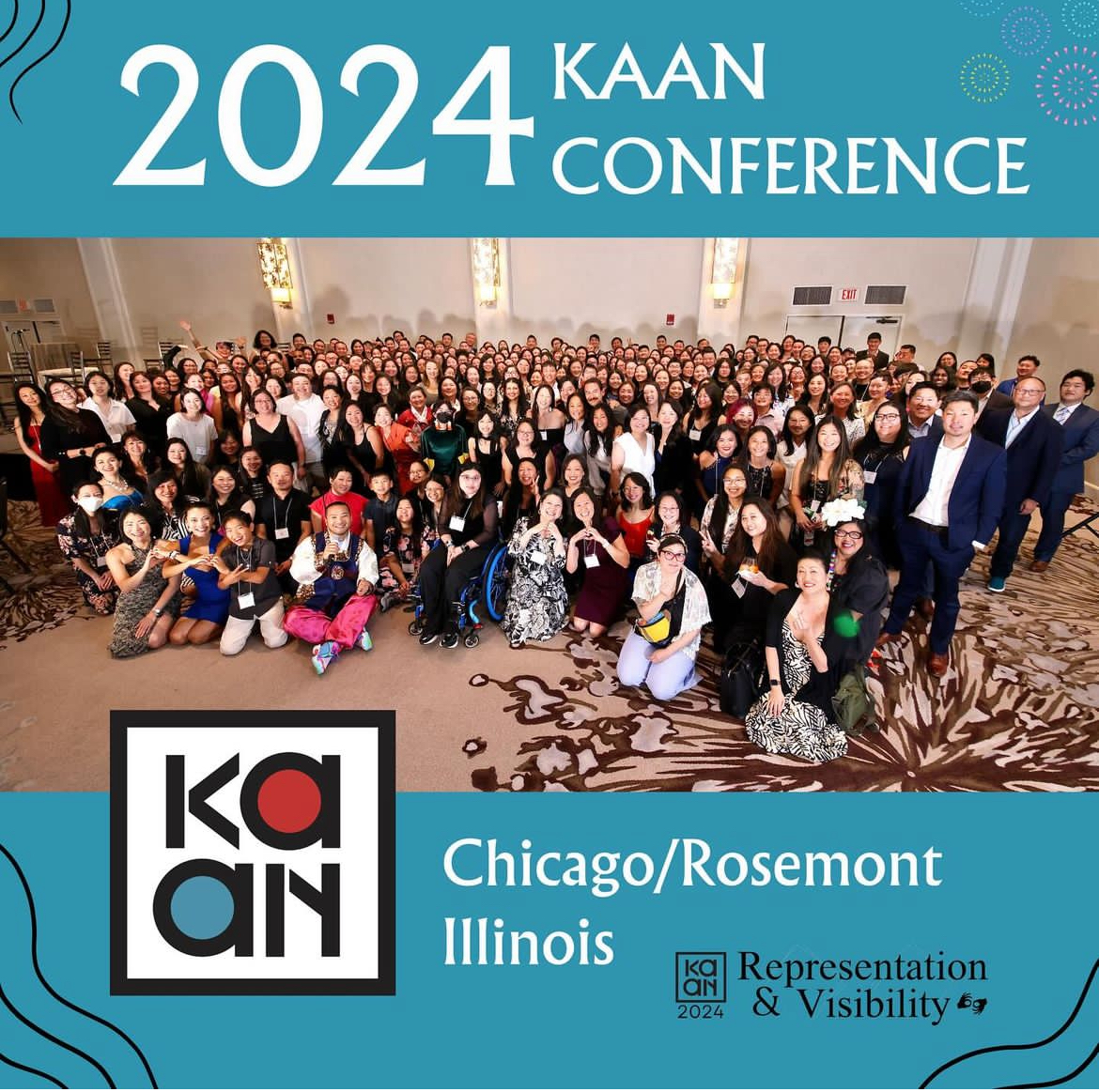
I have been attending adoption-related conferences now for over 20 years – the first one I attended was KAAN back in 2002. Although I was too shy to really engage with anyone besides the few folks I already knew, I did feel an energy about being with other adult adoptees. At the time KAAN was still largely a space for adoptive parents with Korean kids, meaning the majority of the folks there were white adoptive parents with their kids and some Korean adoptee adults. What a difference KAAN 2024 was. The attendees were mostly adult adoptees and only a small gathering of white adoptive parents were present.
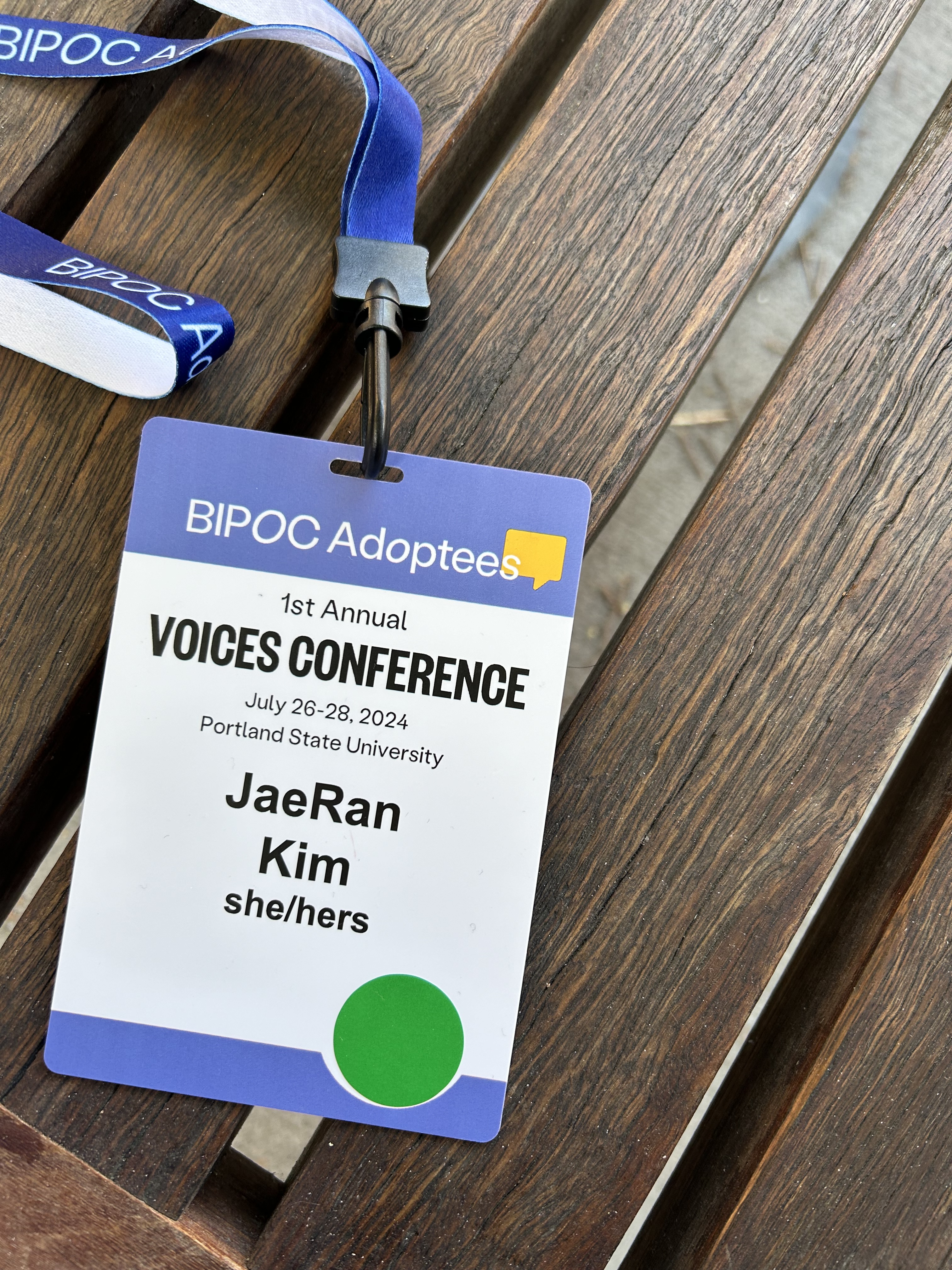
In late July I attended the first BIPOC Adoptees conference and they too were sold out. I was really impressed with their thoughtfulness of adoptees’ experiences in spaces where adoption topics can be triggering. The conference organizers had adoptee mental health providers on call to help support adoptees if needed, and there was a decompression room for adoptees who needed to get some space from the conference sessions. While the BIPOC Adoptees conference had a much different feel than KAAN, both of these conferences felt truly adoptee-centered. Both of these conferences differed significantly from the other more academic conferences, but even with those academic conferences it was a joy to spend time with other adoptee scholars and educators in our own intentional spaces.

I planted my mungunghwa plant about six years ago as a physical symbol of my homeland. I was kind of bummed that the first few years the plant only offered a few flowers. I was worried it was never going to grow. But then, suddenly, it started to thrive. In the past two years the bush has been overflowing with flowers! Now, I’m thinking of adding another one to my garden.
After returning from the BIPOC Adoptee conference, I was greeted to my mungunghwa absolutely overflowing with its pretty pink and red flowers and I felt it perfectly captured the joy of being in community with adoptees. I was fortunate to have amazing adoptee colleagues and friends at each of the conferences I attended. Twenty years ago, I was that lone bloom, isolated from my community. Slowly each year I’ve found more of “my people” and together, we are thriving.

I got a tattoo of a mungunghwa flower this past New Year’s Day as a reminder of my homeland and my community. So now, even after the physical blooms on the bush fade away, I can be reminded of the beautiful and powerful community of adoptees to which I belong.

 Harlow's Monkey